IoT in the industrial environment: benefits and security threats
IoT in industrial environments optimizes processes and improves operational efficiency, but also introduces security risks to critical systems and infrastructure.
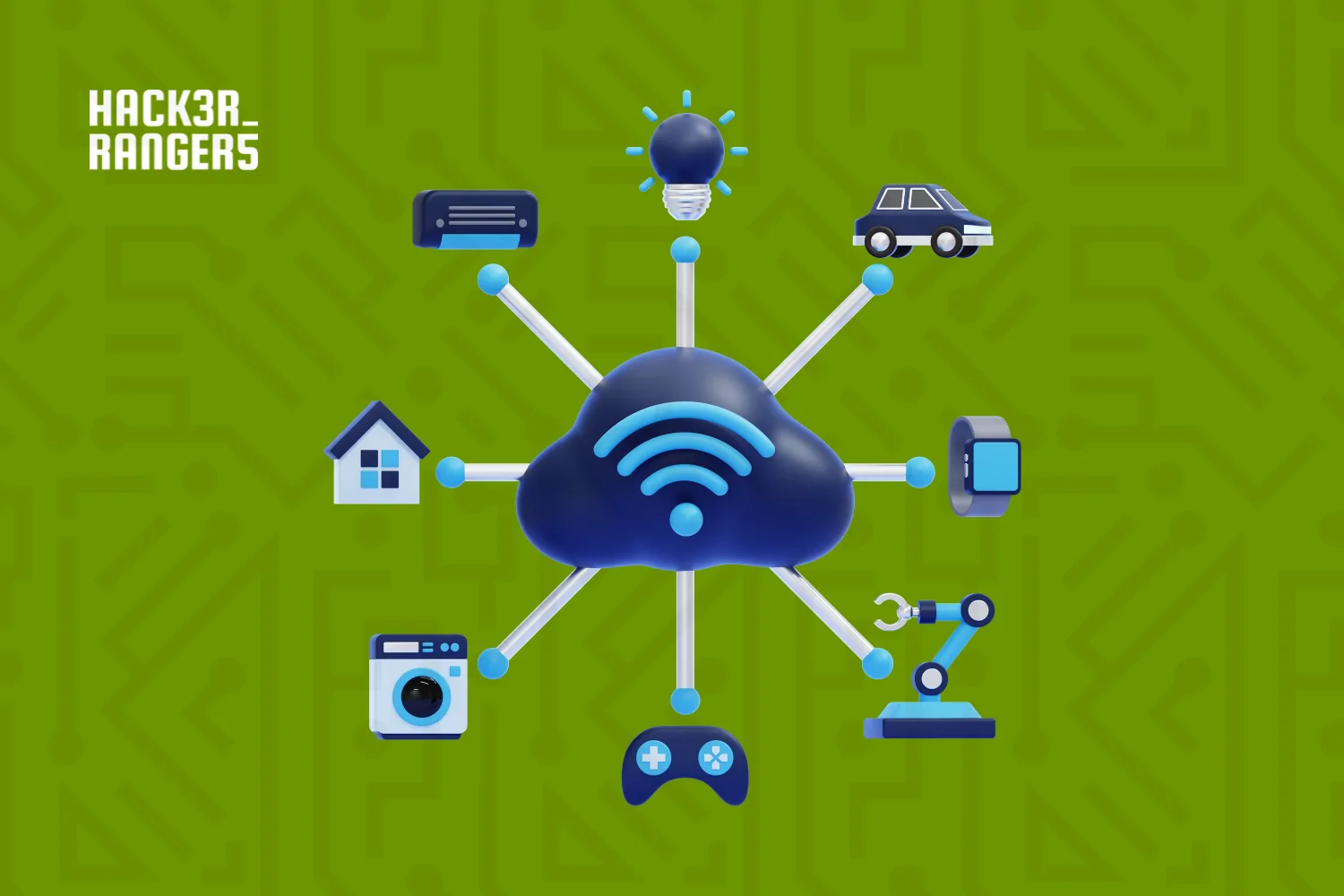
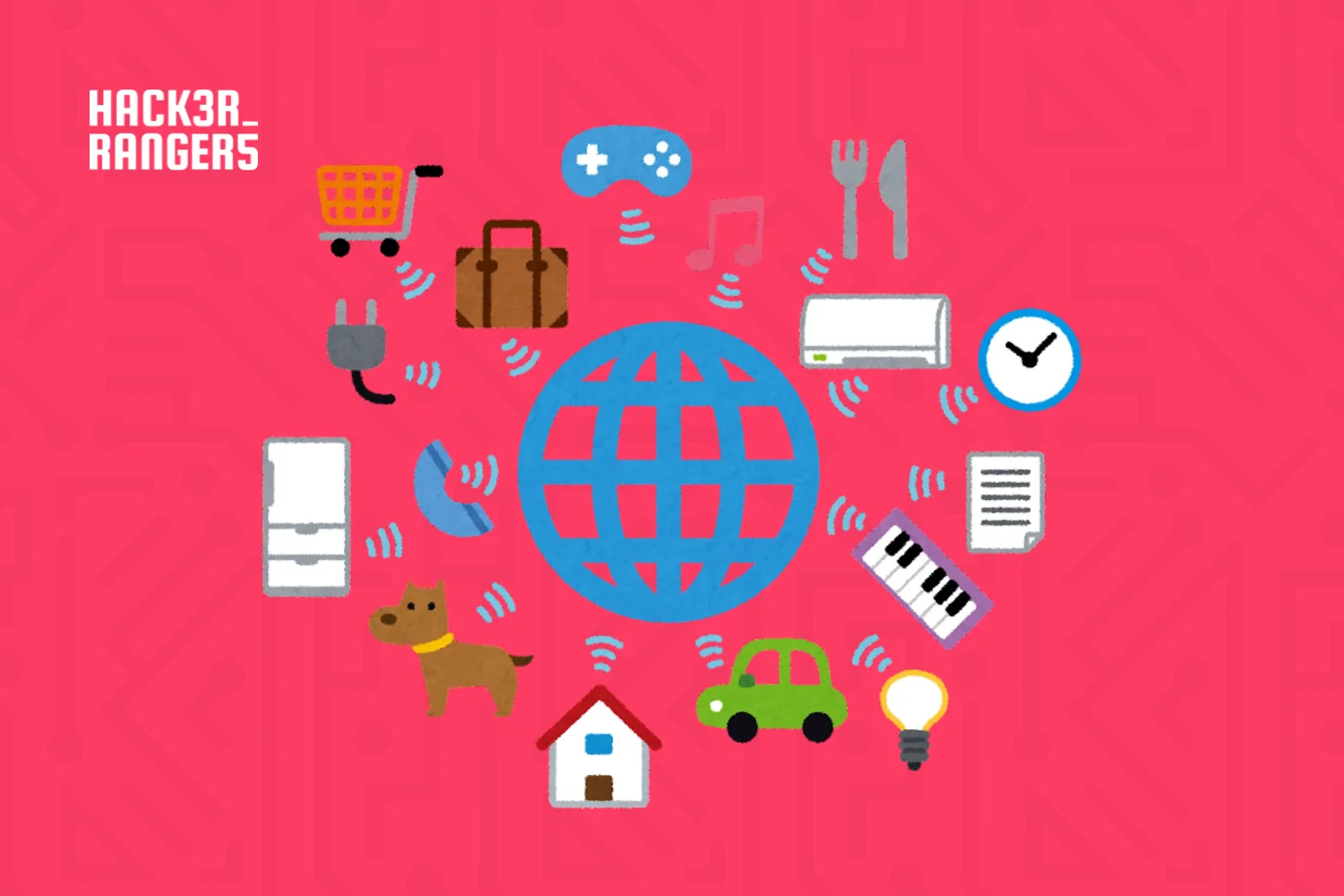
What is the first thing that comes to mind when you think of the Internet of Things (IoT)? Probably smart lights controlled through smartphones, voice-controlled thermostats, or even a smart lock that allows you to enter your home without a physical key. In fact, this market — which has been growing steadily — tends to focus on products for the end consumer. However, the number of industrial plants, hospitals and other critical infrastructure that use these types of gadgets is also growing.
After all, the same benefits that they bring to your domestic everyday life also apply to professional environments. The application of IoT technologies in industrial settings is commonly known as the Industrial Internet of Things (IIoT), which enables organizations to monitor equipment, automate processes, improve operational efficiency, and support decision-making.
An internet-connected sensor can alert a remote operator when machinery is operating outside its recommended temperature range, allowing corrective measures to be taken. Smart access control systems can help ensure that only authorized personnel enter restricted areas, while connected refrigeration systems can monitor and maintain vaccines and medications at appropriate temperatures, reducing the risk of spoilage.
But what about security? Unfortunately, the vulnerabilities of the IoT for the end consumer also apply here. We are talking about different devices, manufactured by different companies, and you can’t just install a security solution for each.
Managing the IoT in critical infrastructure is a complex and challenging mission — it is difficult for IT managers and security teams to have a full view of all the products connected to their network and ensure that their firmware is always updated.
Risks and precautions
Disruptions to critical infrastructure can have serious operational, financial, and reputational consequences. In some cases, they can also compromise public safety and affect essential services such as healthcare, energy distribution, water supply, and transportation. The potential for widespread disruption makes critical infrastructure an attractive target for cybercriminals and state-sponsored threat actors.
In healthcare environments, for example, a compromised refrigeration control system could allow attackers to manipulate temperature settings or disable alerts, potentially compromising the quality and safety of vaccines, medications, or other temperature-sensitive materials. Similarly, attacks targeting connected industrial equipment could disrupt production, damage machinery, or compromise worker safety.
These scenarios demonstrate how cyberattacks targeting IoT devices can affect much more than data security, disrupting physical operations, threatening business continuity, and even putting human safety at risk.
Because of these challenges, implementing IoT technologies in industrial environments requires careful planning and appropriate security measures. Organizations should maintain an up-to-date inventory of connected devices, monitor network activity, implement network segmentation, restrict access to authorized personnel, and ensure that firmware and security updates are properly evaluated and applied.
Even a single overlooked device can introduce vulnerabilities that put other systems within the network at risk.
Cybersecurity awareness also plays a crucial role in protecting industrial IoT environments. Employees responsible for operating and managing these technologies must understand the associated risks, follow established security procedures, and recognize and report suspicious activity. By combining technical safeguards with a strong cybersecurity culture, organizations can better protect their connected infrastructure, reduce security risks, and maintain business continuity.