Training vs. Security Awareness: what’s the difference?
In contrast to what you might imagine, these two terms do not refer to the same concept: while "training" focuses on practical issues, "awareness" aims to promote a profound cultural change in your employees.
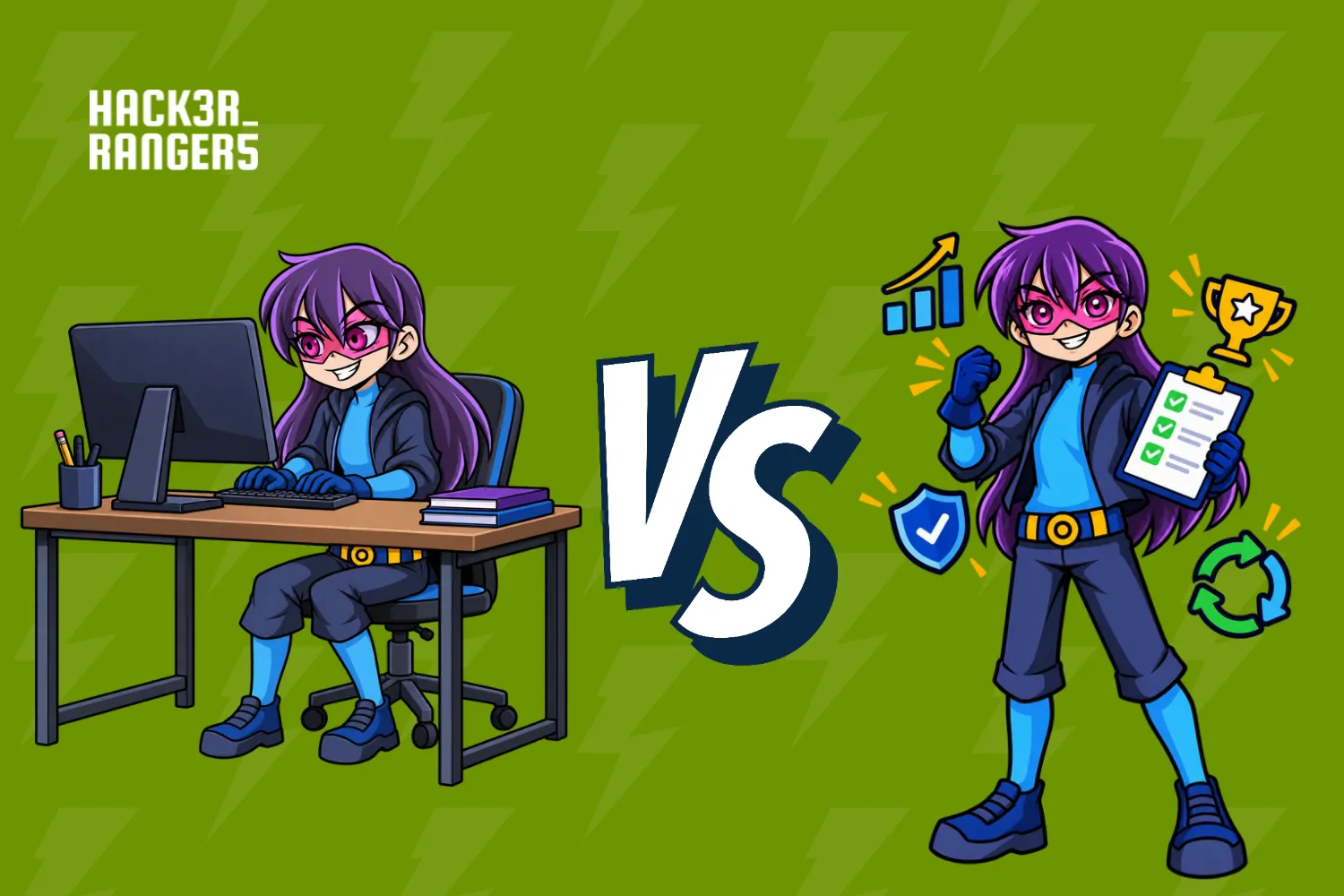
“Information Security Training” and “Information Security Awareness” are just two different terms for the same concept, right? Wrong! Unlike what many people think, there is a big difference between awareness and training. It is essential that managers know how to recognize these particularities, as well as the importance of each.
When we talk about “Information Security Training”, we are referring to a formal and objective education campaign that aims to provide technical knowledge and address practical issues regarding cybersecurity. This includes proper device configuration, creating strong passwords, incident reporting, securing physical areas, and so on.
This type of training is more like a typical study plan: to achieve good results, all the trainees need to do is memorize the content taught. Every professional requires a different kind of training – for example, programmers and developers naturally need in-depth knowledge of good practices when working on a new software package.
What about awareness?
When we talk about “Information Security Awareness”, we are referring to a broader concept. The goal of awareness programs is not only to convey practical knowledge, but also promote a cultural change among your employees, which can even extend beyond the corporate environment, perpetuating itself in the employee’s personal and family routines.
In an awareness program, the mission is to teach the “student” about the importance of information security, its theoretical underpinnings, its importance to the company and society at large, regulatory issues, and so on. Ultimately, in a successful awareness campaign employees will make data security a priority in all aspects of their lives.
This is particularly important in the context of data protection regulations and information security requirements. Building a strong security culture helps employees across all departments understand their responsibilities in protecting personal and sensitive information. It also supports regulatory compliance and helps reduce risks associated with unsafe practices, such as the unauthorized use of applications and services, commonly known as shadow IT.
Which one do I need?
Both! Awareness and training are complementary concepts – the first deals with theory and fundamentals, while the second works on techniques and practice. By merging these two concepts, you will have an educational program that not only promotes a data protection culture among your employees, but also teaches them about the threats and provides clear instructions on how to avoid them.
The Hacker Rangers platform, for example, makes this process even more practical, intuitive, and fun. Participants learn security concepts through interactive courses; test their knowledge with quizzes; earn points for reporting problems; and receive medals for good security behavior – all in a gamified environment that encourages collaboration, experience sharing, and healthy competition.
Discover how Hacker Rangers makes cybersecurity awareness engaging and effective. Get started with our Free Edition!